A Special Update from the RVDA of Canada
RVDA of Canada Board
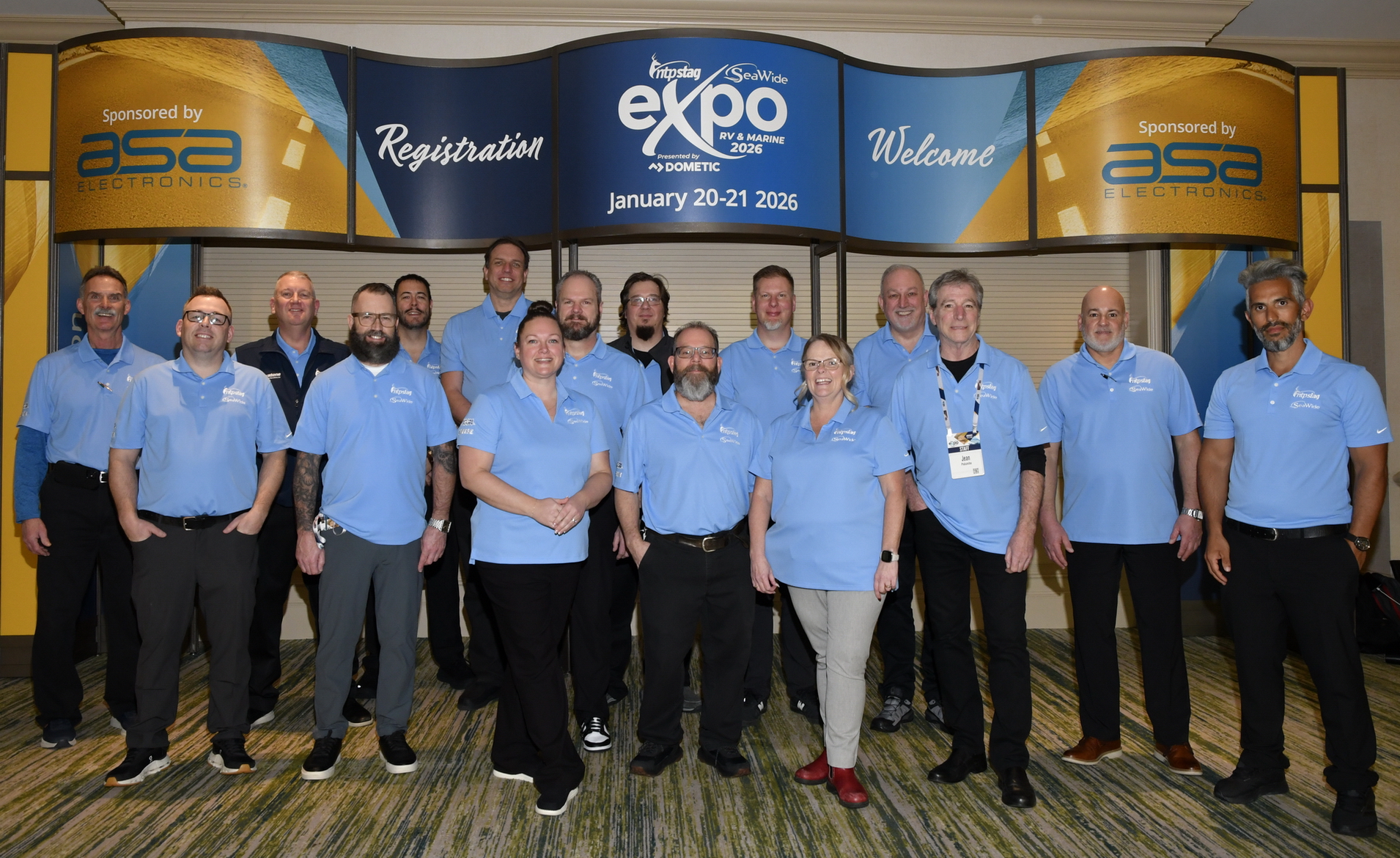
The RVDA of Canada held its last board meeting on November 10, 2025, in Las Vegas, NV. This meeting serves as our annual meeting. The 2025-2026 Executive is as follows:
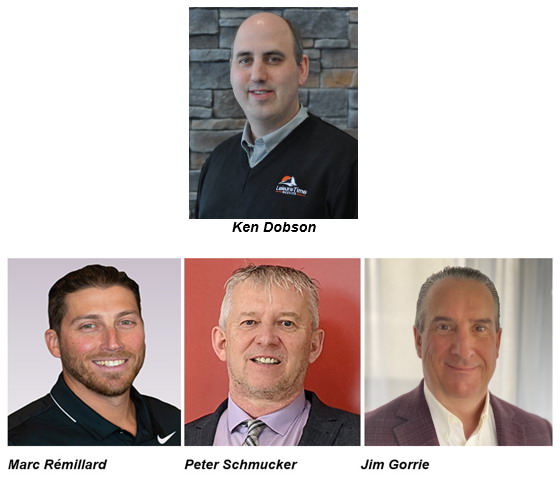
- Chair: Ken Dobson, Leisure Time Sales, Quispamsis, NB
- Vice Chair: Marc Rémillard, Roulottes Rémillard, St-Jean-sur-Richelieu, QC
- Treasurer: Peter Schmucker, Fraserway RV, Lacombe County, AB
- Past Chair: Jim Gorrie, Classic Trailers, Headingley, MB
At its most recent meeting, the RVDA of Canada Board approved the renewal of two key endorsement agreements. The first was a two-year renewal with Wells Fargo. The second renewal extended the long-standing endorsement partnership with iA Dealer Services for an additional two years, ensuring continued support and value for RVDA of Canada members through this established relationship.
The next RVDA of Canada meeting will take place on April 29, 2026, in Ottawa, ON along with our advocacy day.
New Endorsement Partnership
We are pleased to announce a new endorsement partnership with Chekkit, a leading customer communication and engagement platform. This collaboration aims to streamline communications, accelerate lead response times, and deliver a faster, more personalized customer experience for RV dealers nationwide.
Today’s customers expect to communicate with businesses the same way they do with friends and family — instantly, casually, and conveniently. Business texting has become one of the most effective engagement channels because it aligns seamlessly with modern decision-making behaviours. Through this partnership, RVDA of Canada is equipping dealers with a communication platform that reflects this shift and brings fast, conversational messaging directly into the hands of RV retailers across the country.
Chekkit consolidates calls, SMS, website chat, social messages, reviews, and leads into one unified workspace. This allows dealerships to respond more quickly, reduce missed opportunities, and provide smoother customer experience. Chekkit’s “AI Employee” enhances dealership capacity during peak periods by offering automated replies, scheduled follow-ups, and intelligent routing — all while maintaining a natural, conversational tone that builds trust. Instant, two-way messaging helps dealers convert more leads into appointments and deliver a buying experience that is modern and customer-first. Small and mid-sized dealerships, in particular, benefit from an affordable, all-in-one platform that supports communication, quoting, payments, message history, and internal collaboration — enabling teams to operate more efficiently and confidently scale their operations.
Next Steps for Dealers
Watch for special pricing and onboarding details available through this partnership.
Visit chekkit.io to book a demo and explore how unified messaging, reviews, payments, and calling can transform dealership operations.
Access training and resources: Chekkit will provide dedicated onboarding, best-practice templates, and ongoing support to ensure a smooth implementation.
This collaboration marks the beginning of a more connected, responsive, and competitive RV marketplace in Canada — and RVDA of Canada is proud to help lead this next chapter.
Government Relations
Our recent government relations efforts have centered on navigating ongoing regulatory changes, strengthening relationships with policymakers, and ensuring that the concerns and priorities of RV dealers—and their customers—are clearly heard in Ottawa and across the country. As the landscape of recreational travel continues to evolve due to economic pressures, environmental priorities, and shifting consumer expectations, our advocacy work remains focused on ensuring a balanced and competitive environment for our industry to thrive.
Trade uncertainty is the most pressing issue for the RVDA. Manufacturing and supply of RVs and their components and parts is highly intertwined with that of the automotive industry. With Canada’s auto industry being squeezed on both sides, as well as considerable uncertainty as to when, if ever, there will be a return to the North American status quo of free trade, there is no clear future. At present RVs are largely exempt from the series of tariffs and counter-tariffs between the US and Canada, but that may change – either in an escalation of a trade war, or in a temporary or permanent resolution to replace the defunct CUSMA trade deal.
RVs have already been affected directly in the larger economic shifts as a result of the tariffs: General Motors has announced its plans to stop producing BrightDrop electric vans in Canada, which serve as the chassis of a number of popular RV models. If more American and other foreign companies see long-term strategic risks of basing production in Canada, more moves might follow; Stellantis is currently in the news for reneging on its commitments to keep Jeep manufacturing active in Brampton. This could have a domino effect on the industry, as the decreasing relevance of auto manufacturing in Canada also gives it less leverage in trade negotiations with China and the US. This is a serious concern for the automotive industry and bears greater scrutiny if a new trade deal does not materialize soon.
This year’s summer outreach initiative provided valuable opportunities to engage directly with federal and provincial representatives, sharing insights on key issues such as vehicle electrification, cross-border trade, and regulatory harmonization. These discussions underscored the importance of maintaining a consistent and strategic approach to government engagement, especially as Canada approaches a new federal election cycle. The feedback gathered will help refine and strengthen our advocacy strategy, ensuring that future outreach efforts are more targeted, coordinated, and impactful.
Canadian Plastics Registry
Canada’s new Federal Plastics Registry (FPR) is a mandatory reporting program established under the Canadian Environmental Protection Act, 1999 (CEPA). It requires businesses involved in making, importing, or placing plastic products on the Canadian market to report annually on the amount and types of plastics they handle, along with information on plastic waste and how it is managed. The registry is intended to give Environment and Climate Change Canada better data to track plastics across the economy, support policy decisions, and advance Canada’s goal of reducing plastic waste. Small producers and importers that place less than 1,000 kg of plastic on the Canadian market each year are exempt, but most larger businesses will be required to report as the program expands.
Reporting requirements are being introduced in phases. Phase 1, which covers 2024 data, began in September 2025. The transportation sector, which includes recreational vehicles, falls under Phase 2, with reporting expected to begin in September 2026.
For RV dealers who are the importer of record, the Federal Plastics Registry creates a new compliance obligation. Dealers will need to track and report the weight and types of plastic resins contained in the vehicles they import, as well as plastic packaging and related components. Over time, future phases may require additional information, such as plastic waste and end-of-life data, increasing the administrative and reporting workload.
To help dealers prepare, the RVDA of Canada is working with the Canadian RV Association (CRVA) and environmental compliance experts to develop reporting templates that dealers can use within the registry system.

Consultation on the Canada-United States-Mexico Agreement (CUSMA) – Submission from RVDA of Canada
The RVDA of Canada welcomed the opportunity to provide input as part of the Government of Canada’s consultation process on the operation and future review of the Canada-United States-Mexico Agreement (CUSMA).
Highlights:
Areas of CUSMA That Are Working Well
CUSMA has provided an essential framework of stability and predictability for cross-border trade within North America. The continuation of tariff-free treatment for RVs, parts, and related goods has ensured that Canadian dealers and consumers have access to competitively priced products and a diverse range of options.
We also acknowledge the progress made under CUSMA in facilitating electronic customs documentation and advancing trade digitization. These initiatives have helped reduce administrative burden and have, in some cases, improved the timeliness of shipments. Predictability in supply chains remains fundamental to the RV sector, which operates on tight seasonal cycles that require precise inventory management and timely product delivery.
Potential Areas for Improvement
While CUSMA has largely functioned effectively for the RV industry, there are several areas where further enhancements could be made to strengthen the Agreement’s implementation and better support small and medium-sized enterprises engaged in cross-border trade.
Tariffs, Countermeasures, and Trade Uncertainty While CUSMA has largely maintained tariff-free trade, previous and potential future tariff measures—including retaliatory duties on steel, aluminum, and other components—have had a significant negative impact on the RV industry. These tariffs increase the cost of raw materials and finished products, reduce supply chain predictability, and ultimately translate into higher costs for Canadian dealers and consumers.
RVDA of Canada encourages the Government of Canada to:
- Continue efforts to prevent the imposition of new tariffs and to resolve ongoing trade disputes that affect the RV sector.
- Advocate for transparent and timely consultations with industry stakeholders whenever countermeasures are proposed.
- Consider the cumulative economic impact of tariffs on North American supply chains, particularly for industries like RVs that rely on integrated production and just-in-time delivery models.

Eleonore Hamm,
President
Recreation Vehicle Dealers Association (RVDA) of Canada
Suite 145 – 11331 Coppersmith Way
Richmond, BC V7A 5J9
tel: (604) 718-6325
email: eleonore_hamm@rvda.ca
www.rvda.ca www.rvcareers.ca